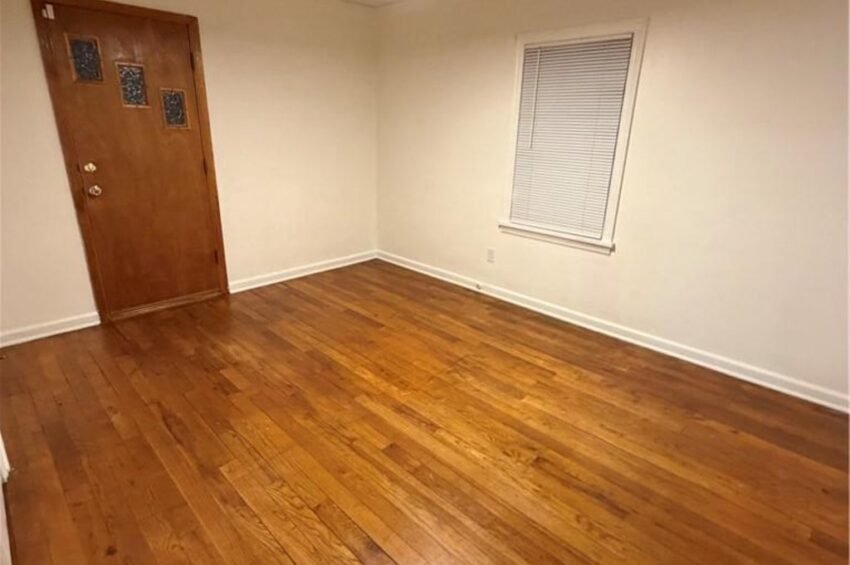
West Dayton’s housing story is being written one closing at a time, and the strongest chapters are the ones where a buyer shows up fast and pays more than the sign said. At 304 N Upland Avenue in Westwood, a 1925 three-bedroom sold in a single day for $130,000, nearly double the neighborhood median.
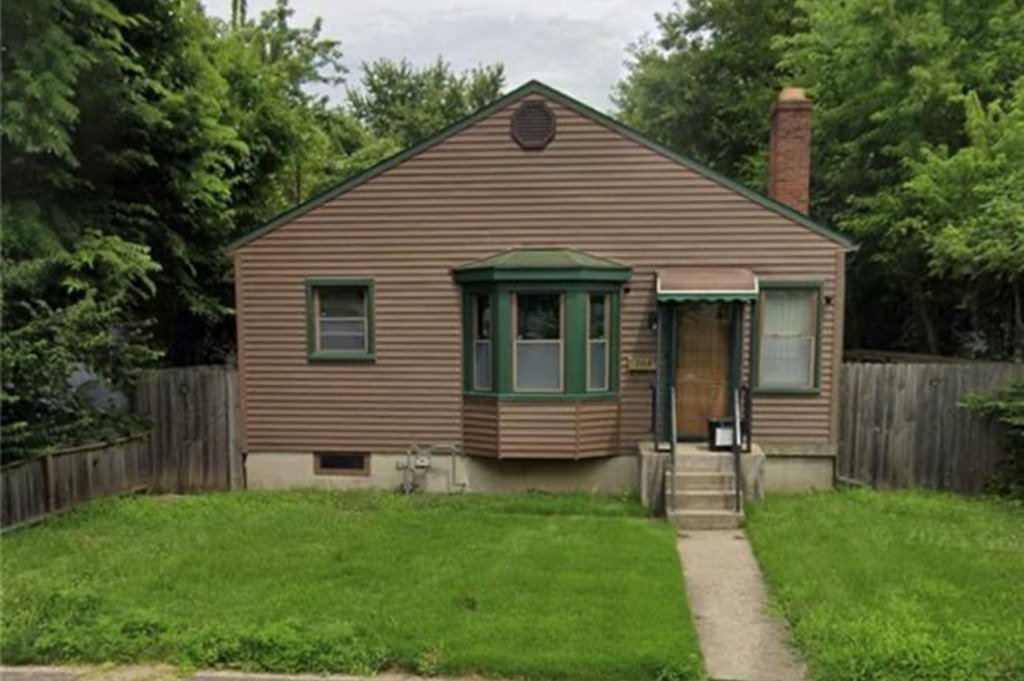
One Day on the Market, $10,001 Over List
West Dayton momentum rarely announces itself with a ribbon cutting. More often it shows up in a closing statement, and the one for 304 N Upland Avenue in Westwood is a good example. The three-bedroom, two-bath house closed on October 28, 2026 for $130,000, against a list price of $119,999. That is $10,001 above asking, an 8.3% premium, and the home reached that result after just 1 day on the market.
One day is a striking number in any housing market. In Westwood, where homes sold over the last twelve months took a median of 38 days to find a buyer, it means this house sold roughly as fast as a listing can be seen, toured and written up. A buyer did not simply meet the asking price. A buyer decided the house was worth more than the asking price and acted before the listing had time to settle into the feed.
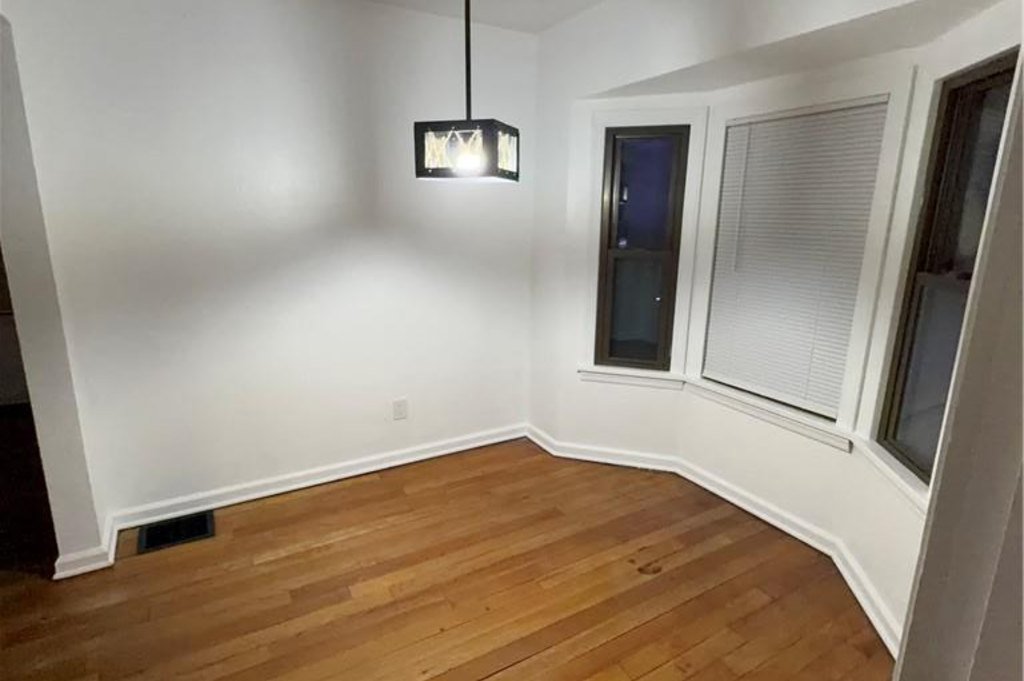
The house itself is modest on paper: 948 square feet, built in 1925, with 3 bedrooms and 2 full baths. What it offered was a set of recent updates, a finished lower level, a sunroom and outdoor space, all at a price that still sits well inside the range of an ordinary Dayton household budget. The sale works out to $137 per square foot, and the pages below walk through how that figure compares with the rest of Westwood and why it matters for the blocks around Upland Avenue.
Westwood is part of the larger West Dayton story, and this result adds to it. A neighborhood gains credibility when homes sell quickly and above list, because that is the evidence lenders, appraisers and the next seller all look at first.
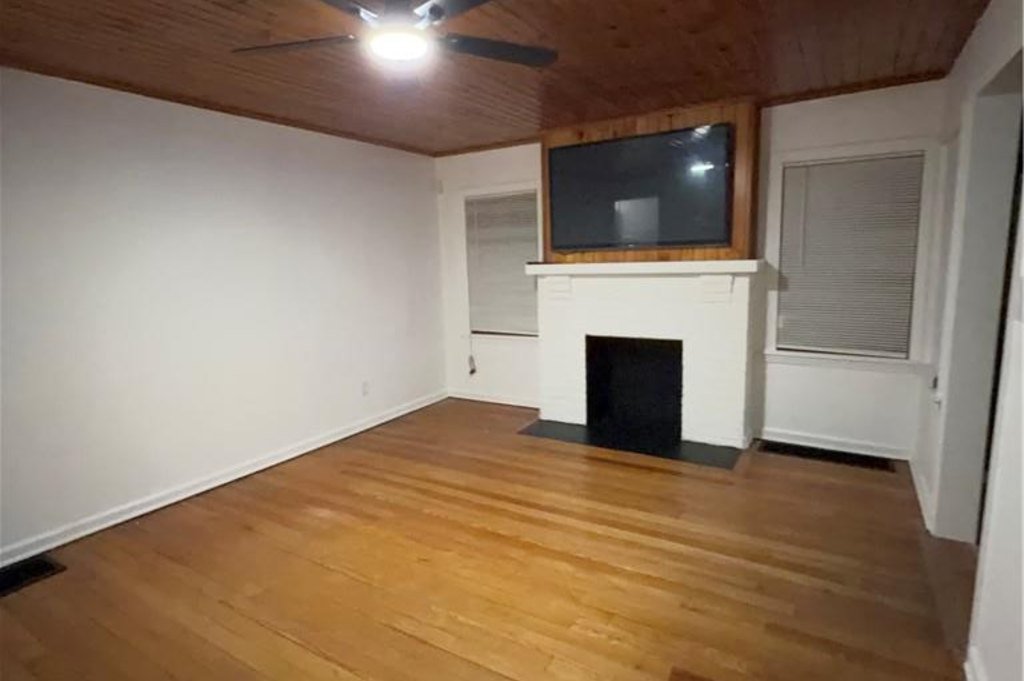
A 1925 House With Room Where It Counts
Homes built in the mid-1920s in Dayton’s older neighborhoods tend to be compact and efficient, and 304 N Upland Avenue follows that pattern. At 948 square feet above grade, it is not a large house, but it carries three bedrooms and two full bathrooms, a combination that is harder to find at this size than buyers might expect. A second full bath in a house this age usually means someone has thought about how the space is used day to day.
The listing describes the home as a blend of comfort, functionality and opportunity, and the sale suggests buyers read it the same way. The remarks pitch it two ways: as a move-in-ready option for a household, or as a rent-ready property for an investor. That dual appeal helps explain the speed. A house that works for an owner-occupant and also pencils for an investor draws from two pools of buyers at once, and when both pools are looking at a one-day-old listing, the first serious offer tends to come in strong.
The price per square foot tells a similar story. At $137, this sale landed more than twice the Westwood median of $63 per square foot across the past twelve months. Part of that gap comes from the way small houses price, since a fixed set of rooms, kitchen and baths is spread over fewer square feet. Part of it comes from the condition and the finished space described in the listing. Either way, buyers were willing to pay for a house that required fewer decisions after closing.
A house from 1925 also comes with a certain scale that many buyers value: a front elevation that sits close to the street, a footprint that is cheaper to heat and cool than a larger home, and a yard that does more of the work of living space. Those traits do not show up in a spreadsheet, but they show up in how quickly a clean, updated example sells.
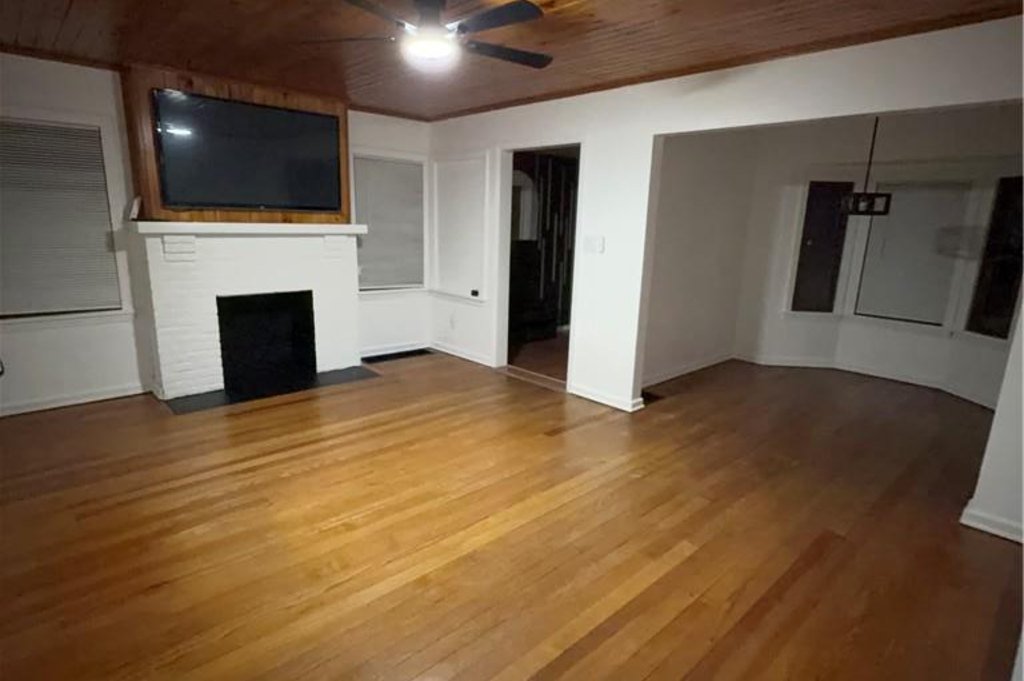
New Electric Panel, Newer A/C and Water Unit
The updates at 304 N Upland Avenue are the kind that matter most to buyers of older homes, and they are not cosmetic. According to the listing, the home has a brand-new electric panel, a newer A/C and a newer water unit. Those three items cover electrical service, cooling and hot water, which are three of the systems that most often decide whether an older house is a project or a place to move into.
An electric panel is the item inspectors and insurers look at first in a house built in 1925. A new panel gives a buyer a clean starting point on the electrical side and removes a line item that otherwise tends to appear on a repair request. Newer cooling and a newer water unit do the same work for comfort and for monthly carrying costs. Taken together, the updates shorten the list of things a new owner needs to budget for in the first year.
This is also where the investor angle in the listing makes sense. A rental property with fresh major systems is easier to underwrite, easier to insure and less likely to produce a surprise expense after a tenant moves in. For an owner-occupant, the same updates mean predictable costs in a house that was built when Calvin Coolidge was president and has clearly been maintained forward since. The listing frames the home as having thoughtful updates throughout, and the buyer’s response, a full-price-plus offer inside a day, fits that description.
Buyers in Westwood increasingly compare homes on this basis. Two houses at similar prices can look alike in photographs, but the one with a new panel and newer mechanicals carries much less risk. Sales like this one show that buyers will pay a premium for that reduced risk.
Finished Lower Level, Sunroom and Outdoor Space
Beyond the systems, the listing points to three features that add usable room beyond the 948 square feet on the main floors. The first is the finished lower level, which the listing describes as spacious and flexible. It could serve as a family room, a recreation area or a home office. For a buyer who works from home, or who simply wants a second place to sit that is not the living room, finished basement space is among the most valuable additions an older house can have.
The second is the sunroom. The listing describes it as a favorite spot, suited to slow mornings, a cup of coffee or watching the seasons change from indoors. A sunroom is the sort of feature that photographs well and then turns out to be used more than almost any other room. It effectively extends the living area, and in a house of this size it makes a real difference in how the home feels day to day.
The third is the outdoor space. The listing says there is room to entertain, gather with family and friends, or simply relax in a private setting. It does not give a lot size, so the details are best left to a showing, but the emphasis in the remarks is on a yard that works as a place to spend time and not just as a setback from the street.
Add these up and the practical square footage of the property is meaningfully larger than the 948 in the record. A finished lower level, a sunroom and an outdoor gathering space give the house several distinct places to be, which is how a three-bedroom of this size can feel like a complete home. Buyers who walked through understood that quickly, and the one-day timeline is the result.
How $130,000 Stacks Up Against Westwood
The neighborhood numbers put the sale in clear context. Over the past twelve months, Westwood recorded 62 sales with a median price of $67,500. At $130,000, 304 N Upland Avenue closed 93% above that median, and it ranks 8th of 62, placing it among the top eight sales in the neighborhood over that stretch, roughly the top eighth of the market. The highest sale in that period was $159,900, so this closing sits within about $30,000 of the top of the range.
The speed is just as notable as the price. Westwood’s median time on market is 38 days, and this house needed 1. In a market where the typical home sits for more than five weeks, a one-day sale shows that demand for updated, well-priced homes is concentrated and immediate. Buyers who are ready to move did not wait for a price reduction or a second open house.
The sold-versus-list spread adds to the picture. Closing at 8.3% over asking indicates that the list price of $119,999 was set to attract attention, and it did. A price just under $120,000 puts a listing in front of buyers using a search cap at that level, which is a common and effective strategy. The final number then reflects the competition that attention produced.
On price per square foot, $137 compares with a neighborhood median of $63. That gap does not mean the median is wrong or that this house is out of reach for the area. It means buyers sorted this property into a different category, updated and finished, and priced it accordingly. For sellers elsewhere in Westwood, the takeaway is that investing in major systems and presentation can move a house well beyond the typical result.
The Closest Comparables on Nearby Streets
Recent nearby sales give a closer look at where 304 N Upland Avenue fits. The most useful comparison is a three-bedroom on Shoop Avenue with 988 square feet, which sold for $123,000 on October 30, 2026, two days after this closing. That house is about 40 square feet larger and sold for $7,000 less, which puts the two results in a tight band. Two similar homes closing within the same week at $123,000 and $130,000 is the kind of pairing that gives appraisers confidence in a price level.
Other recent sales help show the spread. A three-bedroom on Clarkson Avenue with 880 square feet closed at $59,500 on October 30, and a three-bedroom on Lorenz Avenue with 1,477 square feet closed at $65,000 on October 6. The Lorenz house is more than 500 square feet larger than the Upland home and closed at half the price, which shows how much condition, updates and finished space can matter relative to raw size. Square footage alone does not set the price in Westwood. What a buyer gets inside the walls does.
A two-bedroom on Shoop Avenue with 848 square feet sold at $71,500 on October 14. Together, these closings show a neighborhood with a wide range of results, from properties that need work to houses that are ready to occupy. The Upland and Shoop sales sit at the upper end of the group, and that is where an updated house with systems in place should land.
For anyone watching Westwood values, the more important point is that two homes of comparable size reached the low-to-mid $120,000s and $130,000 inside the same week. A cluster like that is more durable than a single outlier, and it gives the next seller on or near Upland Avenue a recent, local reference point.
What This Sale Means for Westwood and West Dayton
Westwood is one of the neighborhoods that carries West Dayton’s housing momentum, and sales like this one show how that momentum works at street level. A buyer sees a house with newer major systems, a finished lower level and a sunroom, pays more than the asking price, and closes within weeks. The next buyer looking in Westwood now has a nearby result that supports a stronger price for a similar home, and the next seller has a reason to invest in a panel, an A/C unit or a water heater before listing.
That cycle is how neighborhoods rebuild value without relying on a single large project. Each updated and sold house adds to the comparable set that lenders and appraisers use. Each quick sale reinforces the idea that well-prepared homes will find buyers. And each result above the neighborhood median shows owners that investment in their property can be recovered at closing.
The investor-and-owner appeal in the listing matters too. A home that works for either buyer type tends to be maintained because both kinds of owner have a reason to keep it in good shape. For the surrounding blocks, a maintained house with a new panel and newer mechanicals is a stable presence, and stability is what makes the next purchase on the street easier to finance.
At $130,000, with 1 day on market and a closing 8.3% over list, 304 N Upland Avenue is a clear data point for Westwood. It will not be the last strong sale in the neighborhood, but it is a useful marker of what the market will pay when a small, updated 1925 home is priced to draw attention and presented well.
Recognizing the Professionals Behind the Outcome
Listing agent Tonisha Adams of eXp Realty brought the home to market, and Michele Vichich of Keller Williams Community Partners represented the buyer. Results like this come from careful pricing, strong presentation and steady work through closing, and both sides of the deal deserve recognition.
Listing data courtesy of Dayton REALTORS® MLS. Information deemed reliable but not guaranteed.
More Common Questions About Westwood
Here are practical answers about this sale and the Westwood housing market, based on the numbers from the past twelve months.
How much did 304 N Upland Avenue sell for?
The home sold for $130,000 on October 28, 2026. It was listed at $119,999, so it closed $10,001 above asking, an 8.3% premium, after one day on the market.
How big is the house and when was it built?
The home was built in 1925 and has 948 square feet with 3 bedrooms and 2 full baths. The listing also describes a finished lower level, a sunroom and outdoor space for entertaining. The sale works out to about $137 per square foot.
How does this sale compare with the typical Westwood home?
Over the past twelve months Westwood recorded 62 sales with a median price of $67,500 and a median of $63 per square foot. This sale closed 93% above that median and ranks 8th of 62 in the neighborhood.
How fast do homes sell in Westwood?
The median time on market in Westwood over the past twelve months is 38 days. This home sold in 1 day, which shows how quickly an updated, well-priced listing can attract a buyer.
What updates did the home have?
The listing notes a brand-new electric panel, a newer A/C and a newer water unit. It also describes a finished lower level, a sunroom and an outdoor area. Those updates cover major systems that buyers of 1920s homes often look at first.
What have similar homes nearby sold for recently?
A three-bedroom on Shoop Avenue with 988 square feet sold for $123,000 on October 30, 2026. A three-bedroom on Clarkson Avenue with 880 square feet sold for $59,500 the same day, and a 1,477-square-foot three-bedroom on Lorenz Avenue sold for $65,000 on October 6. The range shows how much condition and updates affect price in Westwood.
