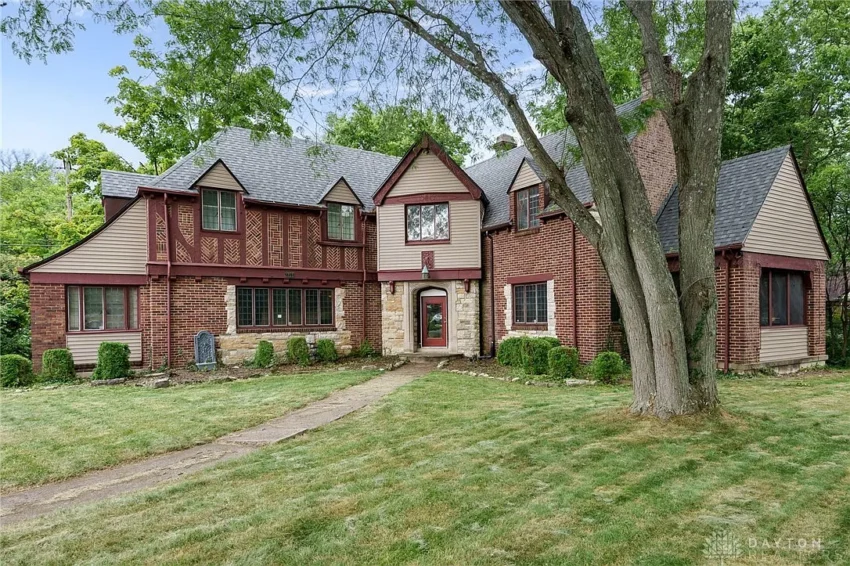
The Most Undervalued Neighborhoods in Dayton
While WHIO recently published a list of Dayton’s most expensive neighborhoods — areas like Yankee Trace, Beechwood, and Oak Creek commanding median sale prices between $350,000 and $500,000[source] — the real story for homebuyers, investors, and community builders might be elsewhere. Across Dayton’s west and northwest sides, neighborhoods rich with history and potential remain priced well below their long-term value. These six communities represent the heart of Dayton’s next wave of growth.
1. Dayton View Triangle
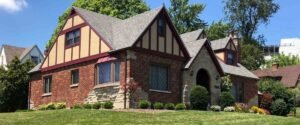
Dayton View Triangle remains one of the city’s most architecturally impressive neighborhoods. The area, originally developed in the early 1900s, features grand homes built by Dayton’s early industrial and civic leaders — many of them along tree-lined avenues that still showcase original limestone, slate roofs, and stained glass. The neighborhood’s proximity to downtown, coupled with its quiet residential atmosphere, creates a blend of urban access and old-world charm. Renovation activity has increased steadily in recent years as buyers seek character-rich homes at affordable prices. With most listings under $150,000 and city-led preservation incentives in place, Dayton View Triangle offers unmatched value for anyone looking to own a piece of Dayton’s historic core.
2. University Row
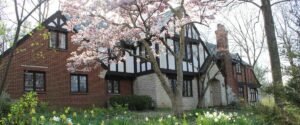
University Row is a hidden gem sitting just west of the University of Dayton campus. The streets are filled with early 20th-century Craftsman and Tudor-style homes, many built when Dayton’s aviation and manufacturing sectors were booming. Today, its location provides excellent access to downtown, Wright-Patterson Air Force Base, and key employment hubs. Germantown Street redevelopment continues to bring new storefronts, bike paths, and small business growth nearby. Families and first-time buyers are drawn to the neighborhood’s deep porches, generous lot sizes, and the sense of stability that’s returning after years of underinvestment. For anyone looking to be near the action without paying campus-adjacent premiums, University Row strikes the perfect balance.
3. Southern Dayton View
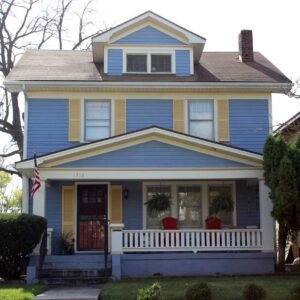
Southern Dayton View has long been a proud working-class neighborhood known for its diverse architecture and strong community spirit. You’ll find everything from two-story Victorians and sturdy brick ranches to duplexes ideal for investment. Many of its streets have maintained a steady rhythm of homeownership, while others are seeing fresh renovations by local landlords and first-time flippers. The neighborhood’s position between I-75 and the new West Dayton development corridor makes it especially strategic for long-term investors. In addition, ongoing city projects to improve lighting, sidewalks, and traffic flow have made Southern Dayton View more walkable and welcoming than ever. It’s one of those rare pockets where affordability and upside meet.
4. Mt. Vernon
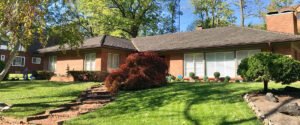
Mt. Vernon is quietly becoming one of Dayton’s most livable and stable residential enclaves. Tucked between Salem Avenue and North Broadway, this area offers well-built mid-century brick homes, often with large yards and mature trees. The community association remains active, organizing cleanup events, block parties, and safety initiatives that have kept the neighborhood cohesive through decades of change. Recent sales data shows a gradual increase in property values, but prices still lag behind Dayton’s east-side neighborhoods — making Mt. Vernon attractive to both families and value-minded buyers. For those looking for long-term equity growth and a true neighborhood feel, Mt. Vernon checks every box.
5. Five Oaks
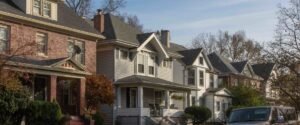
Five Oaks is one of Dayton’s most historically significant neighborhoods, designed with the “garden city” concept that emphasized curved streets and shared green spaces. The area’s stunning homes — from stately brick foursquares to ornate Victorians — reflect the city’s early 1900s affluence. Though it faced challenges in the 1990s and 2000s, recent years have brought new life thanks to homeowner-led initiatives and city reinvestment. Community watch programs, infrastructure upgrades, and private restorations have restored curb appeal block by block. Five Oaks also benefits from its location between Grafton Hill and Old North Dayton, positioning it perfectly for continued appreciation as urban renewal spreads outward from downtown. It’s also home to two of our featured businesses: Dayton Proper and Ingram Insurance.
6. Wesleyan Hill
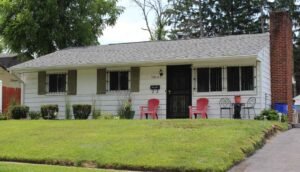
Wesleyan Hill represents the best of West Dayton affordability. With homes regularly listing below $100,000, it’s one of the last areas in the region where ownership remains broadly accessible. Strong church networks and community organizations anchor the neighborhood’s identity, providing a base for organic, resident-driven revitalization. For those willing to invest early, Wesleyan Hill is pure opportunity.
7. College Hill
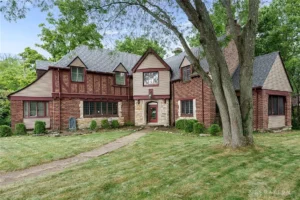
College Hill is a quiet, tree-lined neighborhood tucked along the western edge of Dayton, offering a balance of affordability and architectural charm. Once home to some of the city’s early educators and tradesmen, the area still features a mix of mid-century brick ranches, classic bungalows, and larger prewar homes with character. Its proximity to both the Dayton VA Medical Center and the University of Dayton campus keeps demand steady, while recent infrastructure improvements have started to attract younger homeowners and small-scale investors. With large yards, friendly long-term residents, and easy access to U.S. 35, College Hill stands out as a sleeper pick — a stable, undervalued pocket with long-term growth potential.
Dayton’s Real Opportunity Lies in Its Undervalued Core
While luxury listings in Centerville and Kettering capture headlines, Dayton’s most meaningful growth may come from within — from neighborhoods that combine location, history, and affordability. Investors, first-time buyers, and civic leaders are beginning to notice. The next five years will determine whether these overlooked communities finally receive the recognition and investment they deserve.
Market Snapshot: Undervalued Dayton Neighborhoods (2025)
Median sale prices and year-over-year changes based on public housing data from Redfin and Homes.com, as of Q4 2025. Figures are approximate and may vary by listing sample size.
| Neighborhood | Median Sale Price | Year-Over-Year Change | Price per Sq Ft | Avg Days on Market |
|---|---|---|---|---|
| Dayton View Triangle | $113,000 | -7.7% | $79 | 41 days |
| University Row | $189,950 | +39.4% | $92 | 32 days |
| Southern Dayton View | $55,000 | -21.4% | $57 | 49 days |
| Mt. Vernon | $156,450 | +30.0% | $86 | 38 days |
| Five Oaks | $132,000 | +36.0% | $82 | 35 days |
| Wesleyan Hill | $165,000 | +230.0% | $88 | 44 days |
| College Hill | $110,000 | -12.0% | $123 | 43 days |
Source: Redfin, Homes.com (Market Data, Q4 2025). Dayton citywide median: ≈ $150,000 | $104 / sq ft | 36 days on market.
For more local perspectives, see our feature on The Dayton Pizza Wars — exploring how small shops define local identity — or our deep dive into Ohio’s property tax crisis and the legislative scramble it’s causing statewide.
Featured Dayton Businesses
- Hole N One Donuts – A Dayton staple serving classic, handmade donuts since the early morning hours. Beloved by locals for its no-frills charm and perfect glaze.
- Wheat Penny Oven & Bar – A cornerstone of Dayton’s modern food scene, known for wood-fired pizza, craft cocktails, and a neighborhood energy that embodies downtown’s revival.
Want your business featured in a future article?
Click here to submit your business to The Dayton Report.
Source: “The Most Expensive Neighborhoods in Dayton,” WHIO / Stacker, November 7, 2025.
Written by The Dayton Report