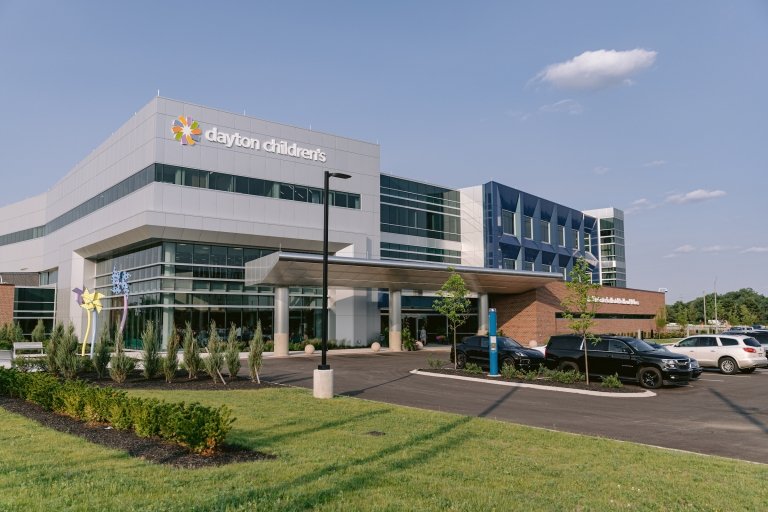
Old North Dayton is one of those Dayton neighborhoods people think they know until they actually drive it, walk it, and talk to the folks who live there. Between the rivers, the immigrant churches, Amber Rose, and a massive wave of investment from Dayton Children’s Hospital, this part of town is changing again — and a lot of families, nurses, and first-time buyers are starting to take notice.
Why People Are Moving to Old North Dayton, Again
Where Old North Dayton Actually Is
Old North Dayton sits just northeast of downtown, tucked between the Great Miami and Mad Rivers. If you follow Valley Street, Troy Street, or Brandt Pike, you’re basically tracing the backbone of the neighborhood. From most blocks, you’re a short drive or bike ride to downtown, the highway system, and the river corridors that wrap around the area.
On a map, Old North Dayton looks like a wedge between the rivers and State Route 4. In real life, it feels like a crossroads: a place where factory workers once walked to plants along the river, where immigrant families built churches on almost every corner, and now where hospital workers, young families, and long-time residents all mix on the same streets.
A Neighborhood Built by Immigrants, Still Full of Character
Historically, Old North Dayton was one of Dayton’s great immigrant neighborhoods. German families were among the first to settle here when the area was still called “Texas” or “Parma.” Later, waves of Poles, Hungarians, Lithuanians, and other central and eastern European families followed, drawn by nearby industrial jobs and the chance to build tightly knit communities.
That history is still visible today: ethnic Catholic churches, immigrant memorials near the bridge into the neighborhood, and, of course, Amber Rose, the restaurant that grew out of an old Polish general store and still serves central European dishes. Walk Troy Street or Valley Street and you can feel that Old North Dayton has always been more than just another grid of city blocks — it’s a place where different cultures layered on top of each other and left their mark.
In the last decade, a new wave of families has arrived as well, including refugees and Turkish immigrants, adding even more languages and traditions to the neighborhood. For people who like the idea of living somewhere with real history and a sense of identity, that’s a big part of the draw.
Dayton Children’s: The Anchor That Changed Everything
If there’s one institution that defines modern Old North Dayton, it’s Dayton Children’s Hospital. What used to be “the children’s hospital over on Valley” has become a full-blown campus and one of the most important employers and investment engines in the entire city.
From Neighborhood Hospital to Regional Powerhouse
Over the past decade, Dayton Children’s has poured hundreds of millions of dollars into its main campus. New buildings, modernized clinical spaces, and expanded services have turned the hospital into a regional pediatric hub. For Old North Dayton, that means more jobs, more steady traffic, and more reasons for people to live nearby instead of commuting in from the suburbs.
In 2025, the hospital officially opened the Mathile Center for Mental Health and Wellness on Valley Street. The new facility consolidates and expands youth behavioral health services into a purpose-built space with inpatient beds, day treatment programs, crisis assessment areas, and therapy options ranging from art and music to movement-based treatments. For families dealing with mental health needs — and for professionals who work in that field — being able to live minutes away from this kind of specialized care is a game-changer.
Mathile Center: A Landmark on Valley Street
Architecturally, the Mathile Center looks and feels like a modern hospital wing: glass, clean lines, and a bright, welcoming entry. Practically, it doubles Dayton Children’s footprint for mental health treatment and signals that the hospital isn’t just expanding beds — it’s prioritizing mental health as a core part of pediatric care.
For Old North Dayton, the Mathile Center does two big things:
- It brings more professionals into the neighborhood every day. Nurses, therapists, doctors, techs, and support staff now have a reason to look for housing close by instead of driving across town.
- It changes how people see Valley Street. What used to be mostly industrial and pass-through is now anchored by a modern, high-investment facility that makes the area feel more stable and forward-looking.
Kinship Housing: Vermillion Place and the Health–Housing Connection
Dayton Children’s hasn’t stopped at hospital walls. Just a short distance from the main campus, on Alaska and Rita Streets, a new development called Vermillion Place recently opened. It’s a 26-unit kinship housing community designed for families where children are being raised by relatives — think grandparents, aunts, uncles, or adult siblings stepping in when parents can’t.
Each unit is a three-bedroom, two-bathroom home built with accessibility in mind. The idea is simple: if housing is unstable, everything else in a child’s life is harder — school, medical care, mental health, even basic routines like sleep and meals. So instead of just treating kids in crisis, Dayton Children’s decided to invest directly in safe, affordable housing tied to the hospital’s mission.
From a neighborhood perspective, that’s huge. Instead of leaving empty or underused land, Vermillion Place adds new construction, green space, and family-oriented housing right in Old North Dayton. It brings residents who are deeply invested in stability and gives them a front-row seat to the neighborhood’s recovery and growth.
Why This Matters for People Deciding Where to Live
When a major institution like Dayton Children’s commits long-term to a neighborhood, it sends a message: “We’re not going anywhere.” For homebuyers and renters, that kind of anchor makes a difference.
People are moving to Old North Dayton, again, because the neighborhood checks boxes that are hard to find in the same combination anywhere else:
- Reliable employment nearby. Between Dayton Children’s, the VA campus, downtown employers, and nearby industrial corridors, many residents can live close to where they work.
- Access to top-tier pediatric care. For families with kids, especially those with chronic or complex health needs, being a five-minute drive (or less) from Dayton Children’s is incredibly appealing.
- Visible reinvestment. When you see brand-new construction, fresh landscaping, and cranes on the skyline, it changes how you feel about buying on the street around the corner.
Housing in Old North Dayton: What It Actually Looks Like
Old North Dayton isn’t a neighborhood of cookie-cutter subdivisions. It’s a mix of early 1900s worker homes, modest bungalows, doubles, small apartment buildings, and a handful of newer infill houses on formerly vacant lots. If you like character and variation, you’ll find it here.
Many of the houses are two-story frame or brick homes with front porches, narrow side yards, and alley access. Some blocks have long-time homeowners who have kept properties in great shape. Others have homes that still need full rehabs — and that’s part of what’s drawing small investors and owner-occupants who don’t mind a project.
Compared to trendier areas closer to downtown or to newer suburbs, prices in Old North Dayton are still relatively attainable. For first-time buyers, that can mean the difference between renting another year and finally getting a set of keys. For owner-occupants willing to put in sweat equity, it can mean buying into a neighborhood that still has upside as reinvestment continues.
Location: Between the Rivers and Close to Everything
One of Old North Dayton’s biggest advantages is something you can’t fix with a renovation: its location.
- Close to downtown. The drive to the center of Dayton is quick, and you can reach the Oregon District, the Schuster Center, Dragons games, and riverfront events without fighting long lines of suburban traffic.
- Between river corridors. Being between the Great Miami and Mad Rivers means easy access to regional bike trails, fishing spots, and riverfront parks.
- Near other resurgent neighborhoods. DeWeese, McCook Field, and other north-side neighborhoods are seeing their own investments, and Old North Dayton sits right in that cluster.
For people who want to be in the middle of Dayton’s momentum but still live on a quieter residential street, Old North Dayton hits a sweet spot.
Old North Dayton’s Cultural Landmarks
Beyond housing and hospitals, Old North Dayton has a sense of place that doesn’t exist in master-planned communities.
- Amber Rose Restaurant. A local institution serving central and eastern European dishes in a restored historic building. It’s not just a restaurant; it’s a link to the neighborhood’s immigrant roots.
- Ethnic churches and memorials. Polish, Hungarian, Lithuanian, and German heritage still show up in the churches and memorials at the entrance to the neighborhood. Flags, murals, and plaques tell the story of the families who built this part of Dayton.
- Small parks and playgrounds. Combined with larger nearby green spaces and the river trails, they give families places to gather, walk, and play without leaving the neighborhood.
For many people moving into Old North Dayton, the appeal isn’t just a cheap mortgage. It’s the sense that you’re joining a place with real stories, not just an HOA newsletter.
Who Is Moving to Old North Dayton?
From conversations on the block and patterns in recent sales, a few types of residents keep showing up:
- Healthcare workers. Nurses, techs, therapists, and support staff from Dayton Children’s and nearby hospitals who want short commutes and are okay with an older home if it means being close to work.
- First-time buyers. Folks priced out of newer suburban developments who would rather own a smaller, older home near downtown than keep renting.
- Multigenerational and kinship families. Grandparents or relatives raising kids, especially those moving into or near Vermillion Place, looking for stability, services, and support.
- Long-time Daytonians returning. People who grew up in or near Old North Dayton, moved away, and are coming back now that they see reinvestment and new energy in the neighborhood.
The mix gives Old North Dayton a lived-in feel. You’ll see someone working on a project house, a nurse in scrubs coming home from a late shift, kids walking back from a playground, and an older neighbor tending a garden all on the same block.
What Buyers and Renters Should Know
No neighborhood is perfect, and Old North Dayton is no exception. Anyone looking to move here should go in with clear eyes.
- Older housing stock. Many homes are more than 80–100 years old. That means inspections are crucial. Roofs, foundations, wiring, and plumbing all need a close look.
- Patchwork condition from block to block. One street might have mostly updated homes; the next could still have vacant or blighted properties. Driving and walking the area at different times of day is important.
- Ongoing transition. The neighborhood is still changing. Construction, new development, and shifting traffic patterns around the hospital campus are part of daily life.
For people who value polished predictability, a brand-new subdivision might feel more comfortable. But for those who like being early in a neighborhood’s comeback story, Old North Dayton offers opportunity that’s hard to match.
Local Spotlight: Upgrade Your Home With Color & Style
If you’re thinking about buying in Old North Dayton — or giving your current home a fresh new look — Color & Style can help transform your space without breaking the bank. From modern cabinets to durable flooring to full interior refreshes, they’ve become a trusted choice for Dayton homeowners looking for high-quality work and honest pricing.
Color & Style
Cabinets • Flooring • Interior Updates
Dayton, Ohio
contact@colorandstyleohio.com
(937) 253-1131
Whether you need a single room makeover or a full-home renovation, Color & Style can bring your vision to life — and they work fast. It’s one of the easiest ways to add value and comfort to an older Dayton home.
Visit the Color & Style website →
How Dayton Children’s Shapes the Next Chapter
Looking ahead, Dayton Children’s presence is likely to continue steering Old North Dayton’s future. The hospital has signaled, through both words and dollars, that it sees the neighborhood as a long-term home. The Mathile Center, Vermillion Place, and ongoing outpatient expansions show that this isn’t a temporary growth spurt — it’s a strategy.
As more families and employees choose to live close to where they receive or provide care, demand for well-kept homes in Old North Dayton should stay strong. Add in the neighborhood’s cultural landmarks, central location, and slowly improving housing stock, and you can see why people are moving to Old North Dayton, again.
Thinking About Old North Dayton?
If you’re curious about Old North Dayton, the best first step is simple: drive it. Grab dinner at Amber Rose, loop past the Dayton Children’s campus, and take a slow cruise through the side streets. Notice which homes have fresh siding or new roofs, which blocks feel settled, and where new construction is happening.
For buyers, renters, and long-time Dayton residents alike, Old North Dayton is no longer just “that neighborhood by the children’s hospital.” It’s becoming one of the city’s clearest examples of what happens when history, community, and serious institutional investment all collide on the same few streets.
More Dayton Neighborhood Coverage
If you’re following Dayton’s housing market and neighborhood trends, here are a few more recent articles you may find helpful:
- The Most Undervalued Neighborhoods in Dayton
- Why Oakwood’s Home Sales Stay Strong Even in a Cooling Market
- Mount Vernon: A Historic Neighborhood on the Rise
- University Row: Surprising Sales in a Quiet Pocket of Dayton
- Northern Hills: One of Dayton’s Highest Recent Sales